Introduction
Omega-3 fatty acids play an important role in many areas of health, from the heart and brain to inflammation, pregnancy, mood and immune function.
But many modern diets contain plenty of Omega-6 while providing much less Omega-3. That imbalance is one reason it is worth paying attention not only to how much fat we eat, but also to what type of fat we are getting.
Understanding the different forms of Omega-3, where they come from, and how to choose a quality source can help you make better decisions for your long-term health.
What Is Omega-3?
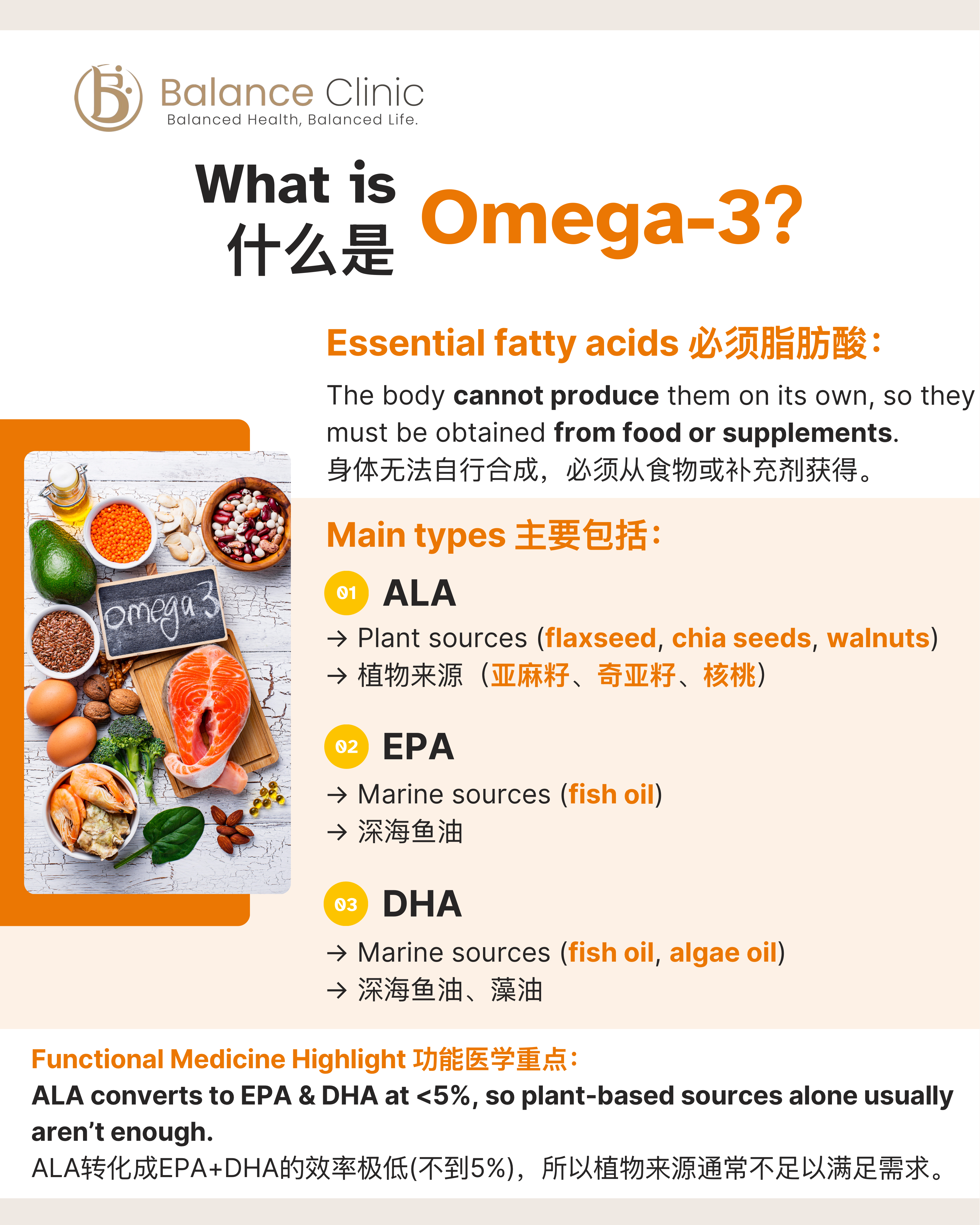
Omega-3 is a family of polyunsaturated fatty acids. The three main forms are:
ALA
ALA is found mainly in plant foods such as:
ALA is an essential fatty acid, which means the body cannot make it and must obtain it through the diet.
EPA
EPA is found mainly in marine sources such as oily fish and fish oil. It is involved in the production of signalling molecules that help regulate inflammatory processes in the body.
DHA
DHA is particularly important as a structural component of the brain and retina, making it especially relevant during pregnancy, infancy and throughout life.
The body can convert some ALA into EPA and DHA, but this conversion is limited. For this reason, people who do not eat fish may need to pay closer attention to direct sources of EPA and DHA, such as algae-derived Omega-3.
Why Omega-3 Is Important for the Whole Body
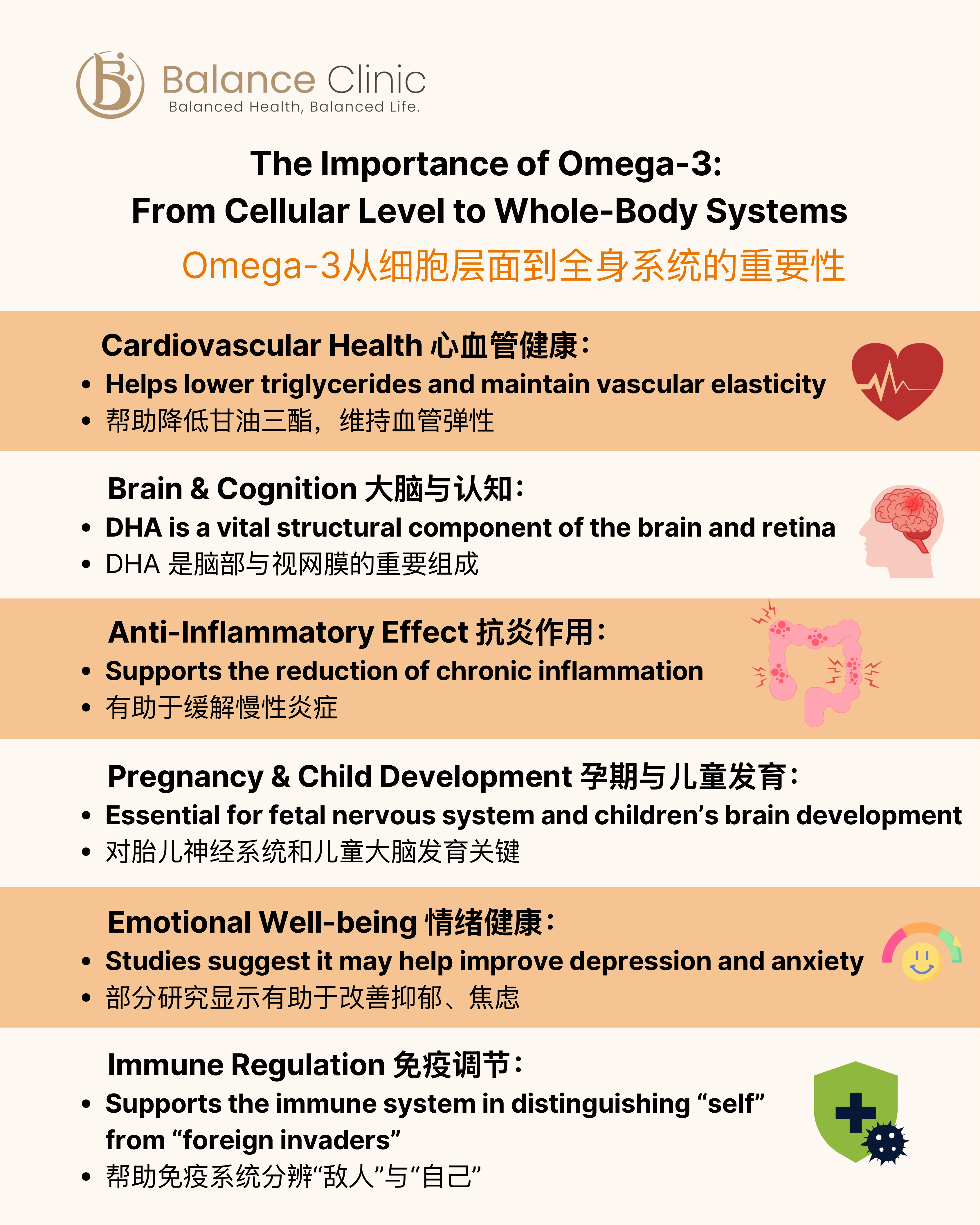
Omega-3 supports several important body systems.
1. Cardiovascular Health
EPA and DHA can help lower elevated triglyceride levels. Omega-3 intake is also part of an overall heart-healthy dietary pattern.
2. Brain & Cognitive Health
DHA is highly concentrated in the brain and retina and plays an important structural role in nervous system function.
3. Inflammatory Balance
EPA and DHA are involved in pathways that help regulate the body’s inflammatory response. This does not mean Omega-3 “switches off” inflammation, but adequate intake may support a healthier inflammatory balance.
4. Pregnancy & Child Development
DHA is especially important during pregnancy and early childhood because of its role in brain and eye development.
5. Emotional Wellbeing
Research has explored Omega-3, particularly EPA, in relation to mood. Some studies suggest potential benefits in certain people, but Omega-3 should not replace appropriate treatment for depression or anxiety.
6. Immune Function
Omega-3 fatty acids can influence immune signalling and inflammatory pathways, helping support normal immune regulation.
Omega-3 vs Omega-6: It’s About the Overall Pattern
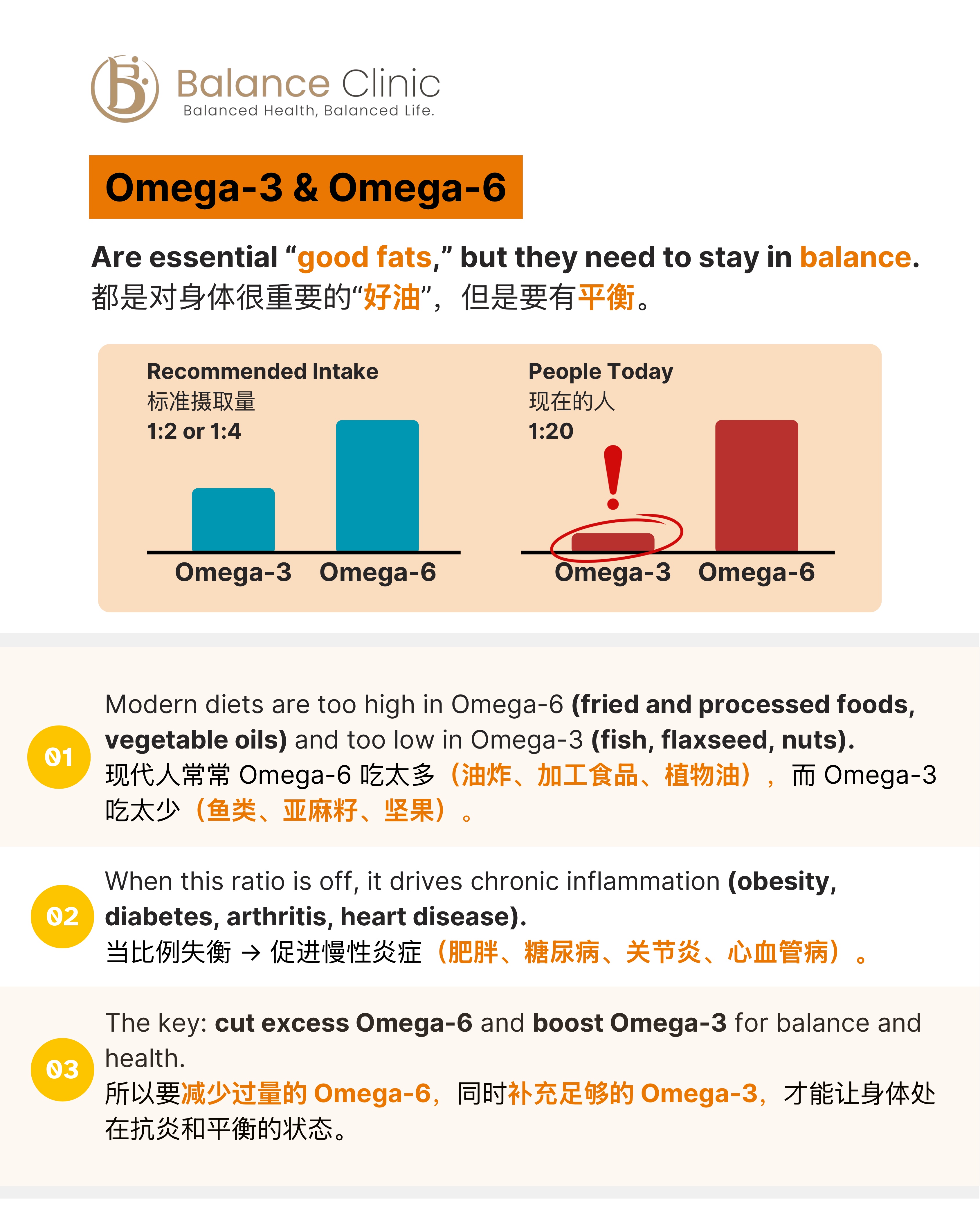
Both Omega-3 and Omega-6 are essential fats, and the body needs both.
The issue is not that Omega-6 is “bad.” The bigger concern is that many modern diets are high in ultra-processed foods and certain refined oils while being relatively low in oily fish and other Omega-3-rich foods.
Instead of obsessing over a perfect Omega-6:Omega-3 ratio, focus on improving the overall dietary pattern:
The goal is better fat quality and greater dietary balance, not eliminating Omega-6 completely.
How to Choose a High-Quality Fish Oil
Not all fish oil products provide the same amount of Omega-3.
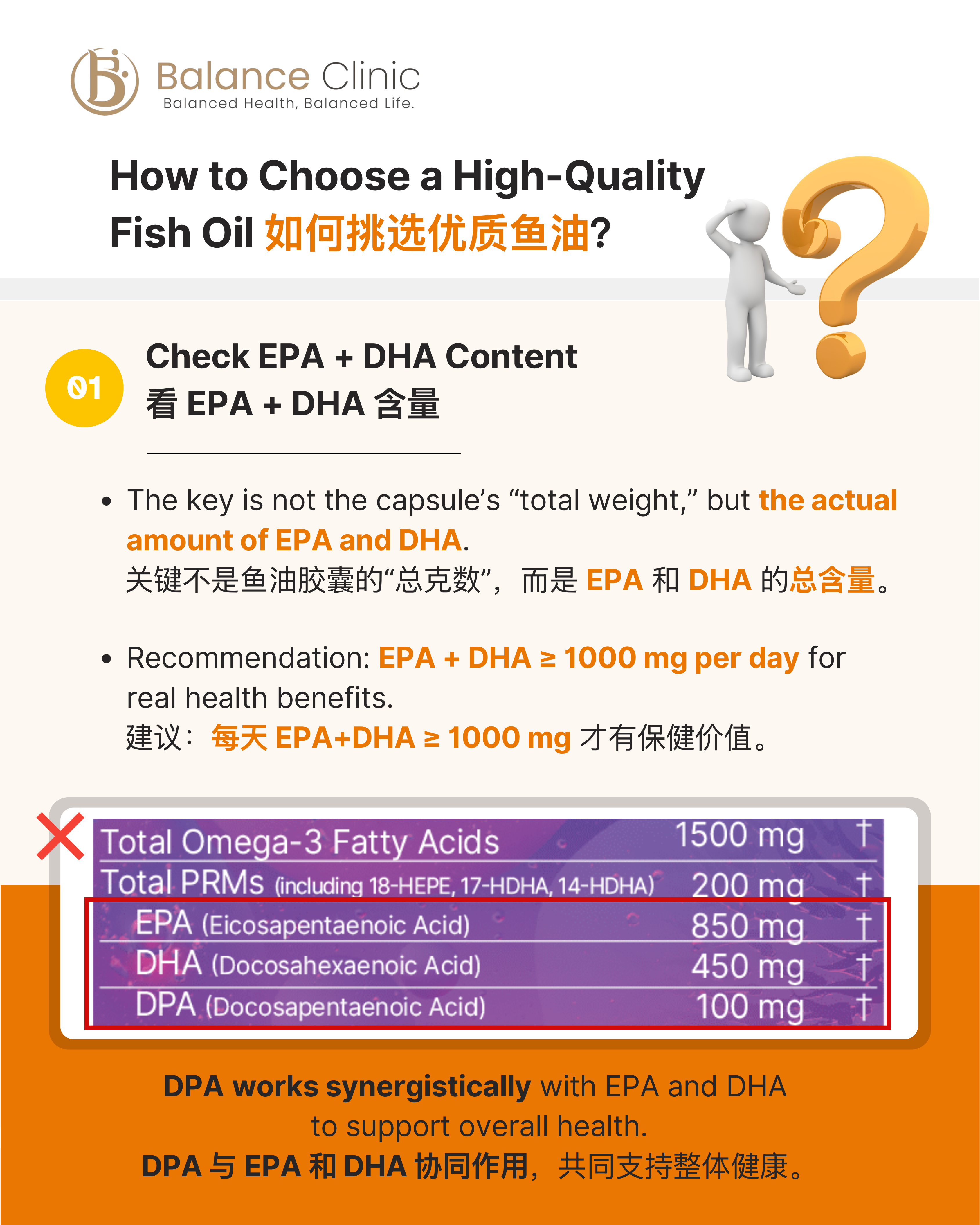
Check the EPA + DHA Amount
Do not judge a supplement only by the words “1000 mg fish oil” on the front label.
What matters more is the actual amount of EPA and DHA per serving.
For example, two capsules may both contain 1000 mg of fish oil but provide very different amounts of EPA + DHA.
The appropriate dose depends on the person’s diet, health goals and medical condition. Higher-dose Omega-3 should be used under professional guidance, particularly when being used to manage high triglycerides.
DPA
Some fish oils also contain DPA, another long-chain Omega-3 fatty acid. Research into DPA is growing, and it may complement the actions of EPA and DHA.
Purity, Concentration & Source Matter
When choosing a fish oil supplement, quality is just as important as quantity.
Purity
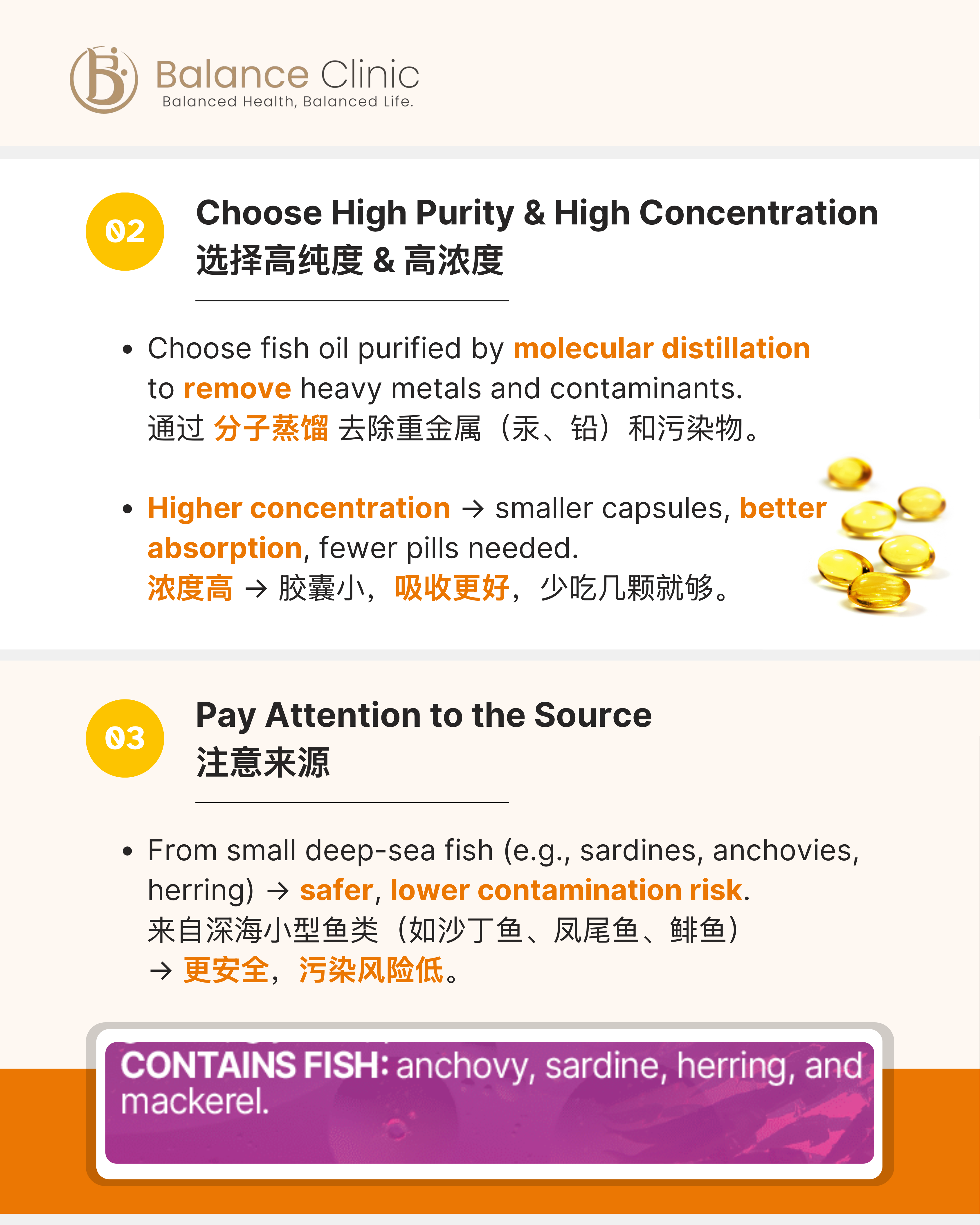
Look for products that are purified and tested for contaminants such as heavy metals and environmental pollutants.
Concentration
A more concentrated product can provide a meaningful amount of EPA and DHA in fewer capsules.
However, higher concentration does not automatically mean better absorption. Absorption is influenced more by the chemical form of the oil, whether it is taken with food, and individual digestive factors.
Source
Fish oil often comes from oily fish such as:
Smaller fish generally have lower mercury accumulation than larger predatory fish, although purification and independent testing remain important.
Look for Independent Quality Testing
A trustworthy Omega-3 supplement should provide information about:
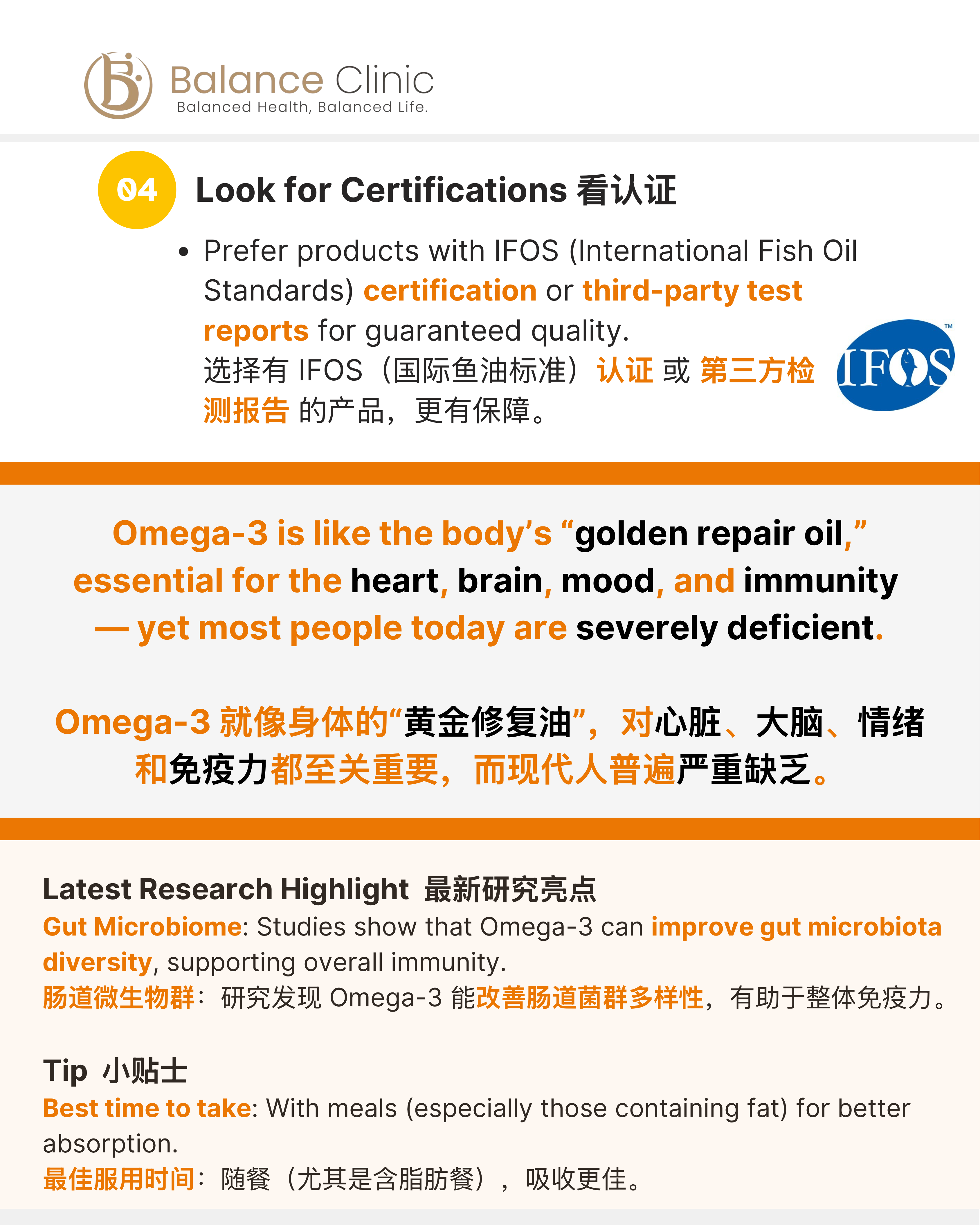
Independent programmes such as IFOS or other reputable third-party laboratory testing can provide additional reassurance about product quality.
Rather than choosing based only on price or the total number of milligrams on the label, look for transparent testing and clearly stated EPA + DHA content.
Omega-3 and Gut Health
Emerging research is also exploring the relationship between Omega-3 and the gut microbiome.
Some studies suggest that Omega-3 intake may be associated with changes in gut microbial diversity and the production of beneficial metabolites.
However, this is still an evolving area of research, so Omega-3 should be viewed as one part of a gut-supportive lifestyle that also includes:
Best Time to Take Omega-3
Omega-3 supplements are generally best taken with a meal, especially one containing some dietary fat.
This may improve absorption and may also reduce side effects such as fishy burps or stomach discomfort.
Benefits of Omega-3
Adequate Omega-3 intake may help support:
The greatest benefit usually comes from looking at Omega-3 as part of your whole dietary pattern, rather than treating it as a single “miracle nutrient.”
The Balance Clinic Approach
At Balance Clinic, we do not recommend Omega-3 based only on a standard dose for everyone.
We consider factors such as your:
Where supplementation is appropriate, we also look at the actual EPA + DHA content, product quality, purity and dosage rather than simply choosing the highest number on the bottle.
For some people, improving food sources may be enough. Others may benefit from a targeted supplement based on their individual needs.
The goal is not simply to take fish oil — it is to make sure the type, quality and amount are right for you.
Final Thoughts
Omega-3 is an important part of a balanced diet, but more is not always better.
Start by improving your food choices — include oily fish where appropriate and add plant sources such as flaxseed, chia seeds and walnuts.
If you use a supplement, focus on EPA + DHA content, purity, independent testing and an appropriate dose.
Most importantly, remember that good health does not depend on one nutrient alone.
Choose better fats. Support your body. Build better health over time.