The Power Of Protein

Introduction

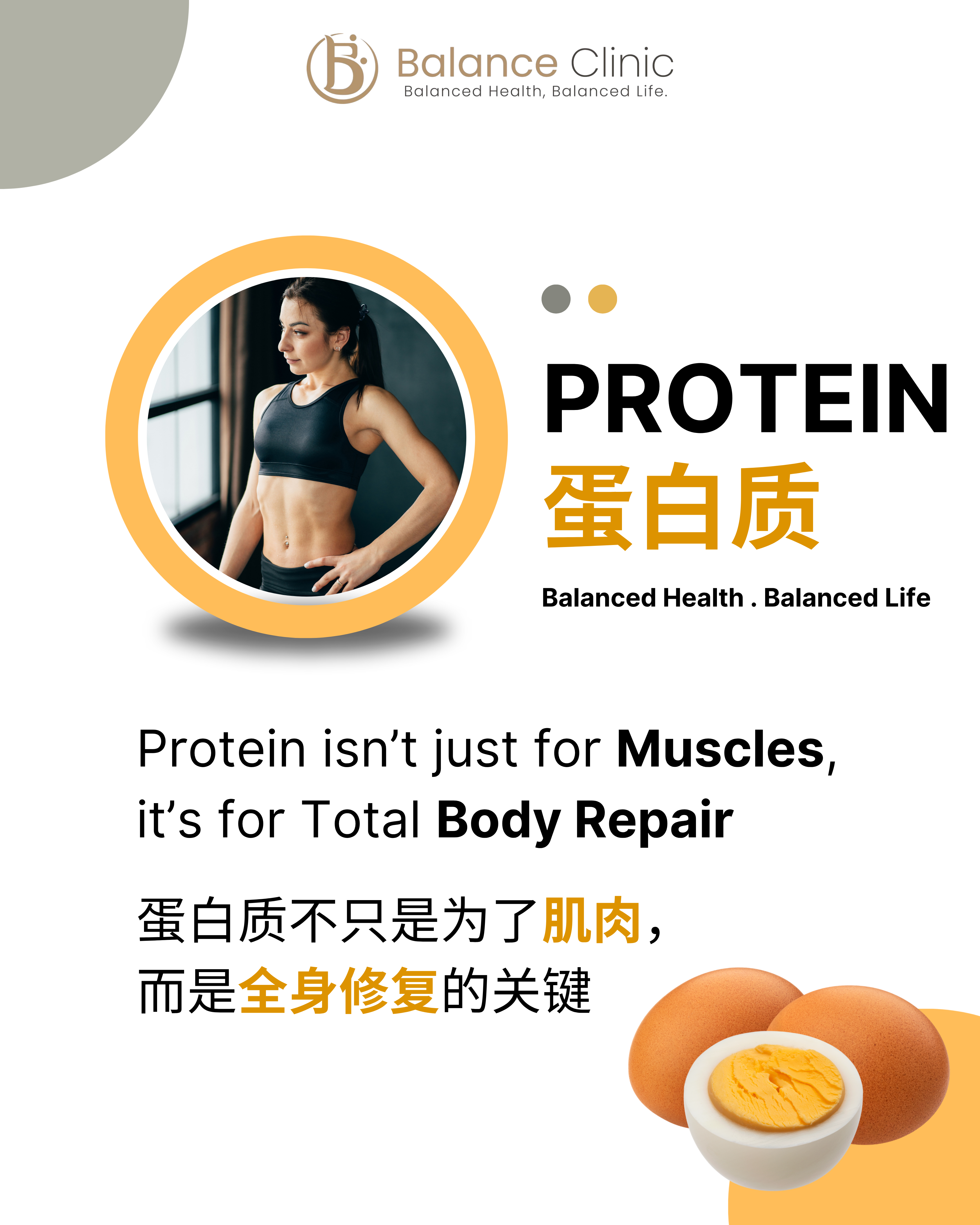
When most people think about protein, they think about building muscle. But protein does much more than support your workouts.


Protein provides amino acids that the body uses to build, repair and maintain tissues, while also contributing to the production of enzymes, hormones, immune components and many other structures your body depends on every day.


From your muscles and skin to your immune system and healthy ageing, getting enough quality protein is an important part of maintaining overall health.

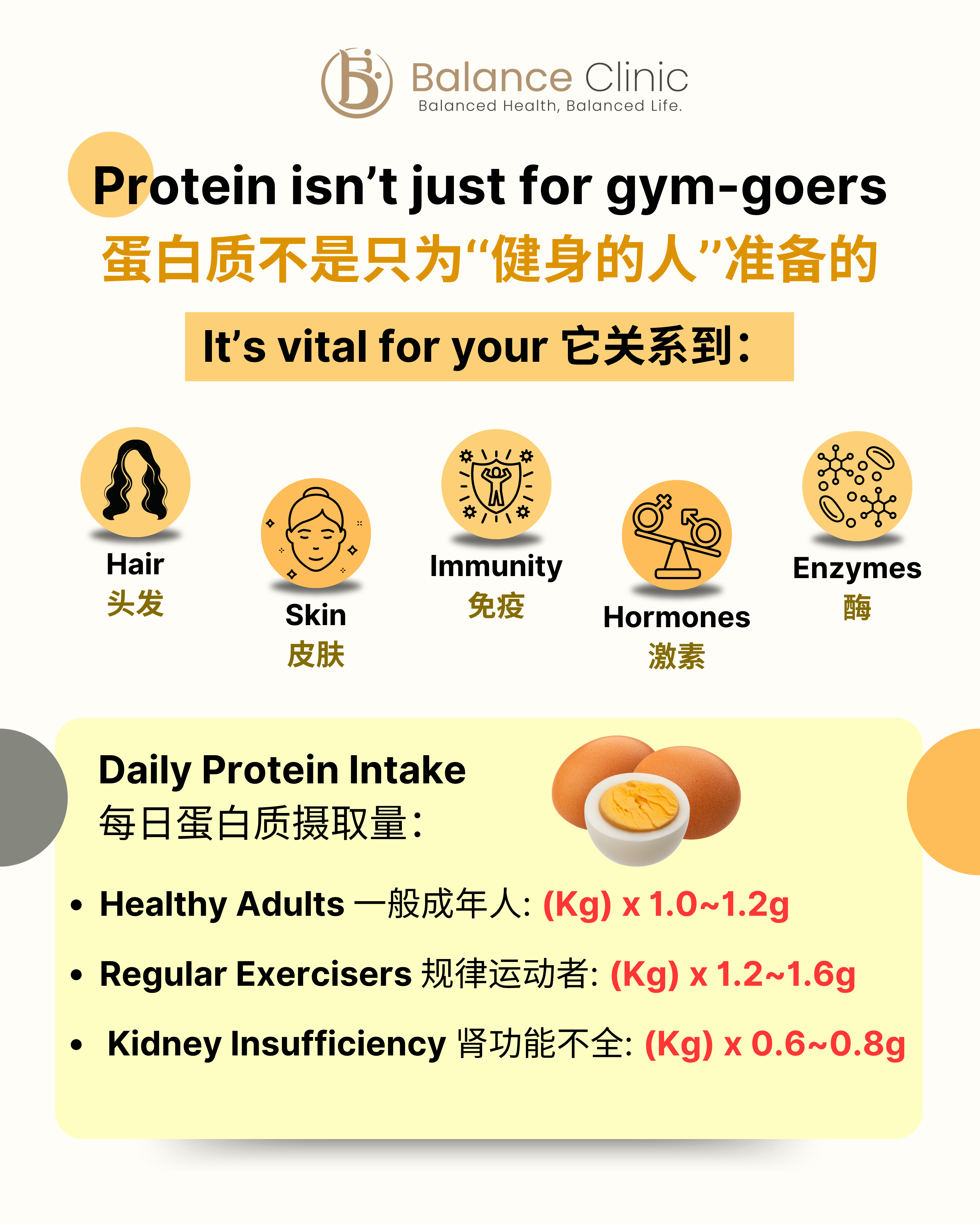
Protein Isn’t Just for Gym-Goers

Protein is essential at every stage of life — whether you exercise regularly or not.


It contributes to several important functions:

Hair & Skin

Keratin and collagen are proteins that help form the structure of hair, skin and nails. Adequate protein intake provides the amino acids needed to maintain and repair these tissues.


Immunity

Many components of the immune system, including antibodies, are made from proteins. Your body therefore needs sufficient amino acids to support normal immune function and recovery.


Hormones

Protein provides amino acids used in many signalling molecules and supports the overall nutritional environment needed for normal hormone production and regulation.


Enzymes

Enzymes help drive thousands of chemical reactions in the body — from digestion to energy production — and most enzymes are proteins.

How Much Protein Do You Need?

Protein requirements depend on factors such as body weight, age, activity level, health status and goals.


A general guide may be:

  • Healthy adults: around 1.0–1.2 g/kg/day
  • Regular exercisers: around 1.2–1.6 g/kg/day


People with kidney disease or other medical conditions may require an individually adjusted protein intake and should follow professional medical or dietetic advice.

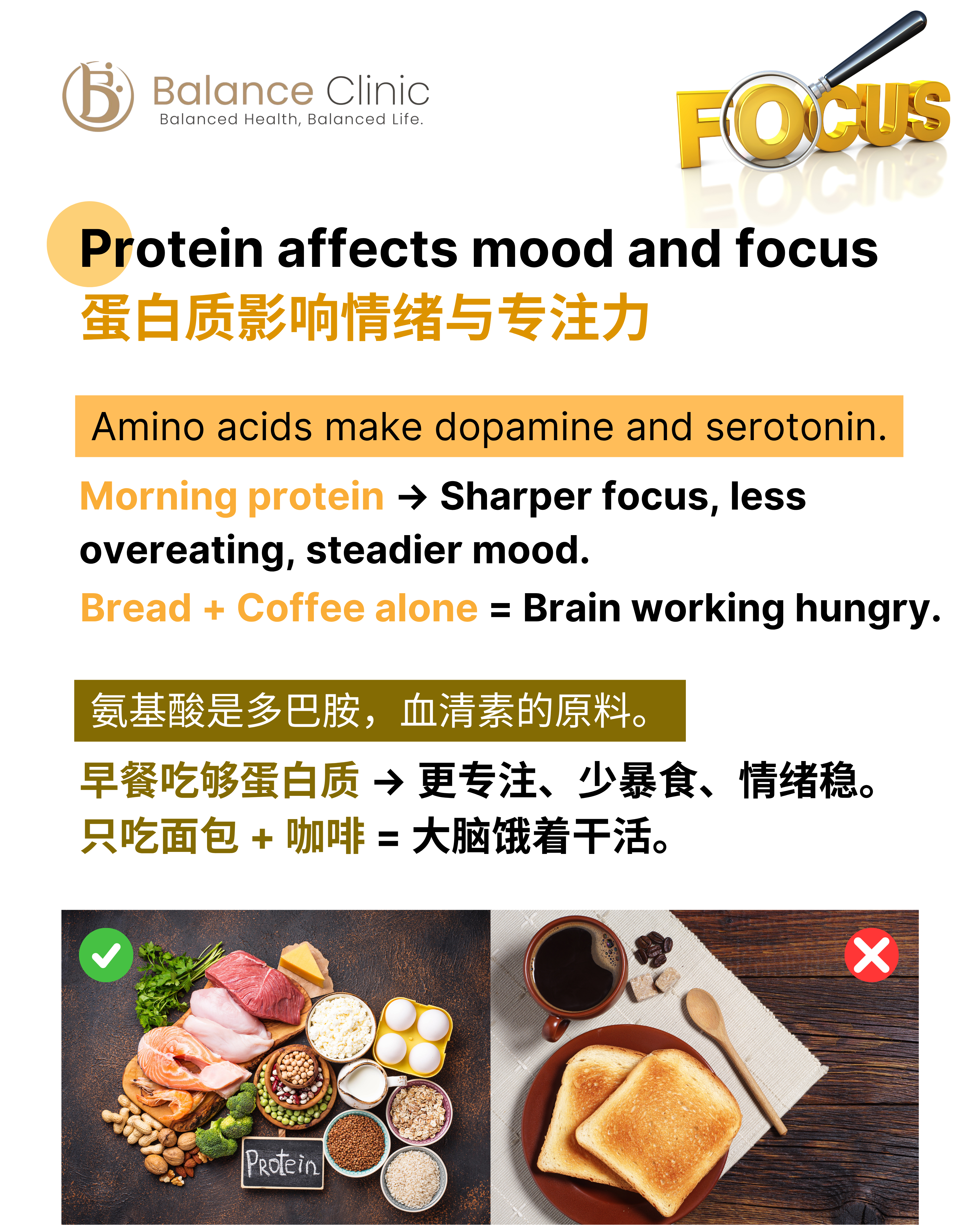
Protein, Mood & Focus

Protein can also influence how you feel and function mentally.


Dietary protein provides amino acids that are used in the production of neurotransmitters involved in attention, motivation and mood regulation.


Including protein at breakfast may also help make a meal more satisfying and support steadier energy throughout the morning.


Instead of relying only on coffee and refined carbohydrates, consider adding protein-rich foods such as:

  • Eggs
  • Greek yoghurt
  • Fish
  • Chicken
  • Tofu
  • Tempeh
  • Nuts and seeds


A balanced breakfast containing protein, fibre and quality carbohydrates can provide more sustained nourishment than carbohydrates alone.

Protein & Hormonal Health

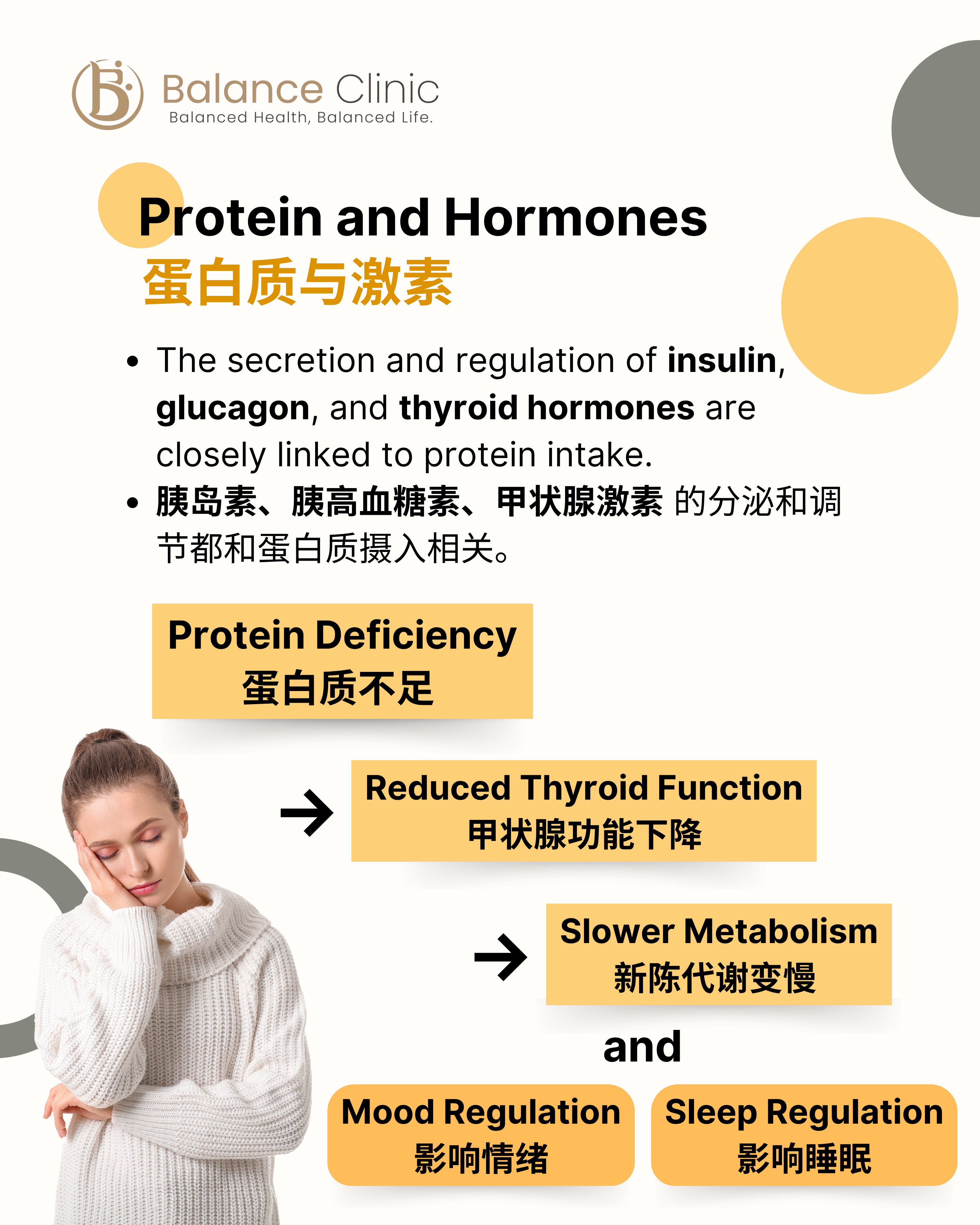
Protein and hormones are closely connected, although the relationship is more complex than simply “more protein equals better hormones.”


Adequate protein intake helps provide the amino acids and nutrients needed to support normal body functions, including metabolic and hormonal processes.


Protein-containing meals can also influence hormones involved in:

  • Blood sugar regulation
  • Appetite and satiety
  • Energy metabolism
  • Muscle maintenance


Very low protein intake over a prolonged period may contribute to poor overall nutritional status, which can affect energy, recovery, body composition and general wellbeing.


However, symptoms such as fatigue, slow metabolism, sleep changes or mood changes can have many possible causes and should not automatically be attributed to protein deficiency alone.

Protein & Immunity

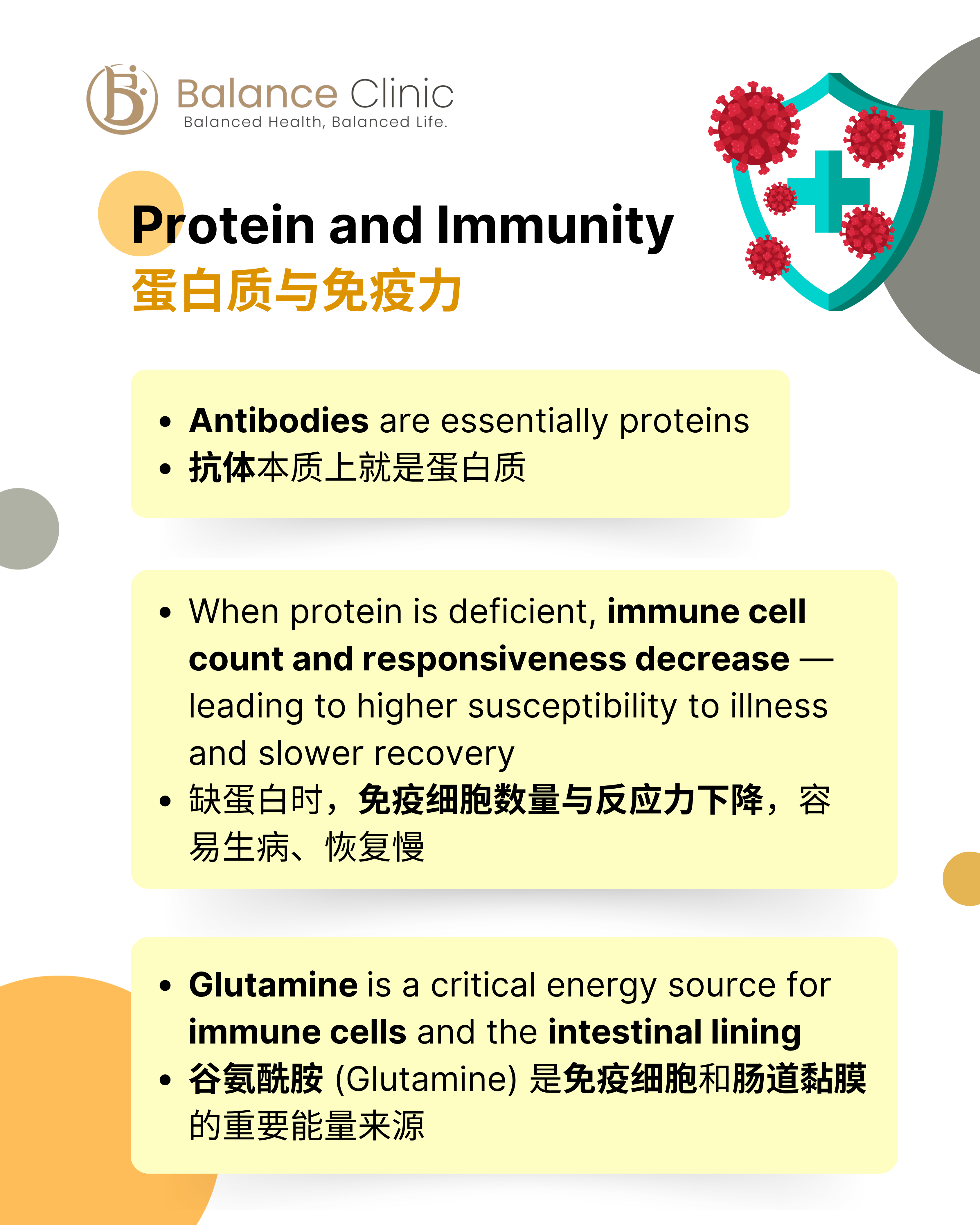
Your immune system relies heavily on adequate nutrition — and protein is an important part of that foundation.


Antibodies Are Proteins

Antibodies are specialised proteins produced by the immune system to recognise and respond to foreign substances.


Immune Cells Need Amino Acids

Immune cells require amino acids for growth, communication and normal function. Severe or prolonged protein deficiency can therefore impair immune responses.


Protein Supports Recovery

When the body is recovering from illness, injury or surgery, protein requirements may increase because additional amino acids are needed for tissue repair and immune activity.


Glutamine

Glutamine is an amino acid that is used by rapidly dividing cells, including certain immune and intestinal cells.


The important point is not necessarily to supplement glutamine, but to maintain adequate overall protein and nutrient intake unless supplementation is specifically recommended.

Protein & Healthy Ageing

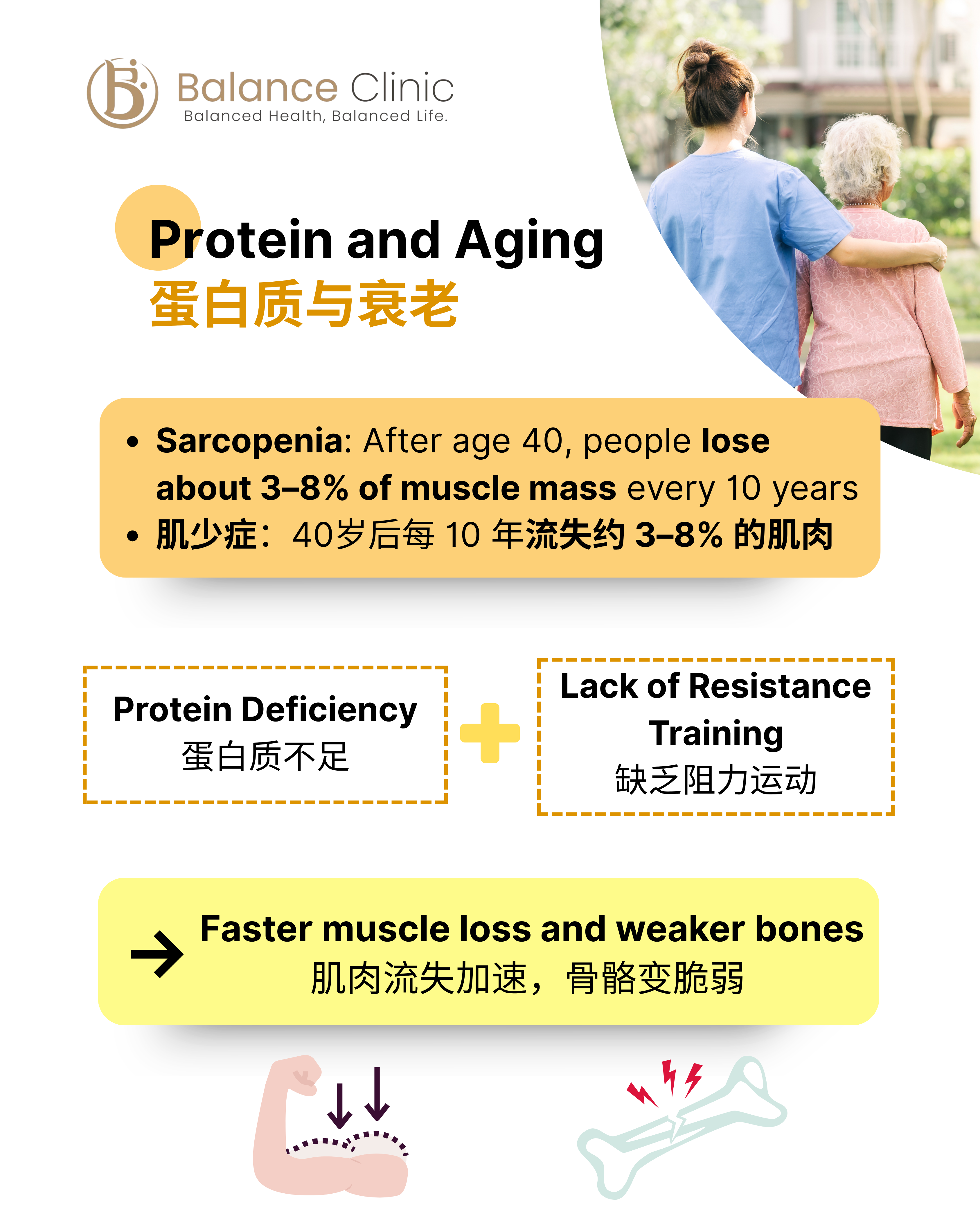
Maintaining muscle becomes increasingly important as we age.


Age-related loss of muscle mass and strength is known as sarcopenia. Without adequate nutrition and physical activity, muscle loss may gradually affect:

  • Strength
  • Balance
  • Mobility
  • Independence
  • Metabolic health


Protein intake is only one part of the solution.


For healthy ageing, the strongest combination is:

Adequate protein + resistance exercise + sufficient overall nutrition


Resistance training gives the muscle a reason to stay strong, while dietary protein provides the building materials needed for maintenance and recovery.

Could You Be Eating Too Little Protein?

Severe protein deficiency is uncommon in people eating a varied diet, but consistently low protein intake may contribute to poor nutritional status.


Possible signs that deserve attention may include:

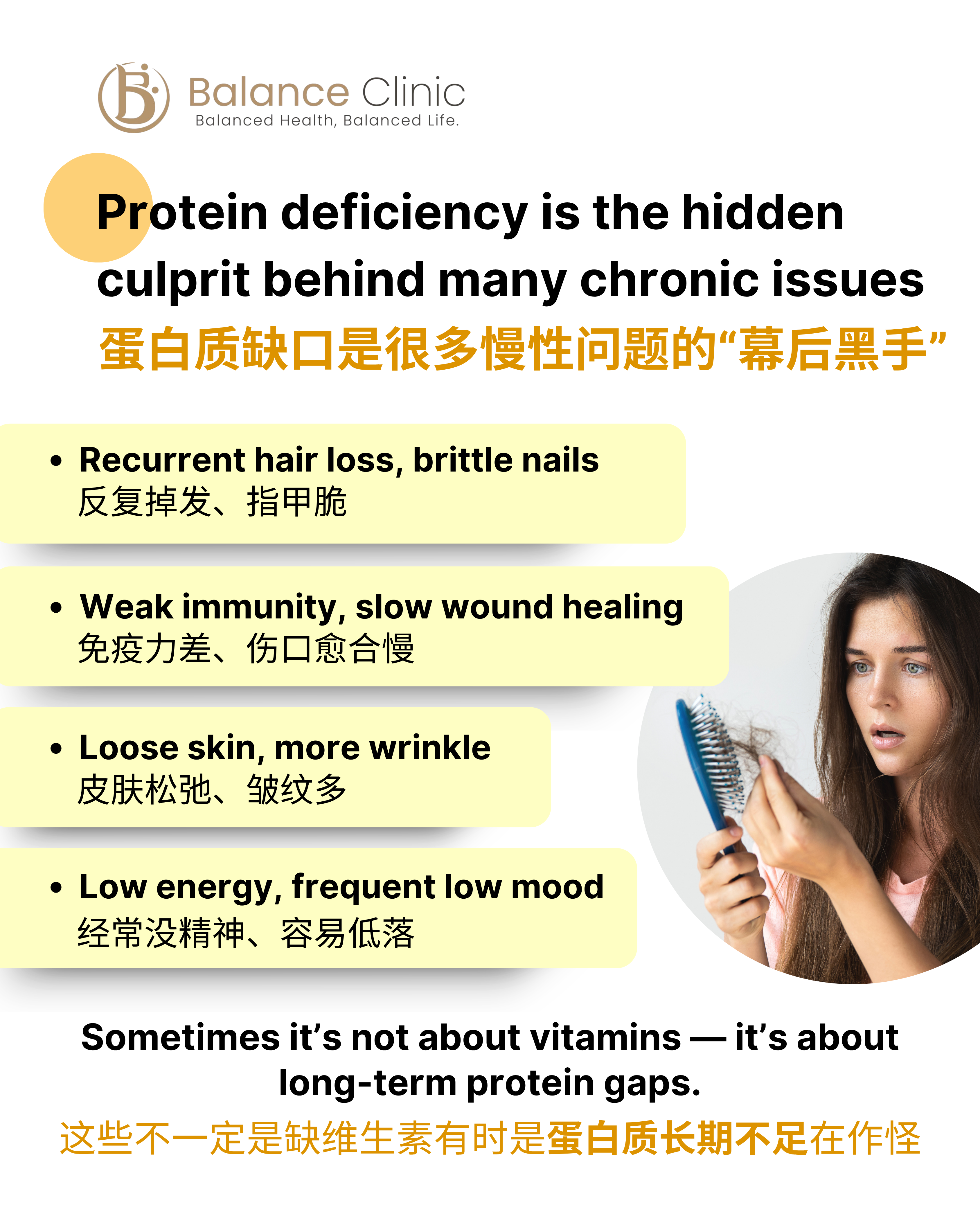
  • Loss of muscle mass or strength
  • Poor recovery
  • Persistent low energy
  • Brittle hair or nails
  • Slow wound healing
  • Reduced appetite or inadequate food intake


However, symptoms such as hair loss, fatigue, skin changes or low mood can also be caused by iron deficiency, thyroid disorders, hormonal changes, stress, illness, inadequate calories or other nutrient deficiencies.


That is why it is important to look at the full picture instead of assuming every symptom comes from a single nutrient.

The Benefits of Adequate Protein Intake

Getting enough quality protein can help support:


Muscle Maintenance & Repair

Protein provides amino acids needed to repair and maintain muscle tissue.


Satiety & Weight Management

Protein-rich meals may help you feel fuller for longer and can support appetite management.


Healthy Ageing

Adequate protein combined with resistance exercise helps preserve muscle mass and physical function.


Tissue Repair

Protein supports the repair of skin, connective tissue and other body structures.


Immune Function

Amino acids are required for many components of the immune system.


Metabolic Health

Maintaining muscle and eating balanced meals can support healthier glucose regulation and overall metabolic function.


Daily Energy & Recovery

Protein contributes to a balanced diet that supports recovery and stable nourishment throughout the day.

How Vegetarians Can Meet Their Protein Needs

A vegetarian diet can provide enough protein when it is planned well.


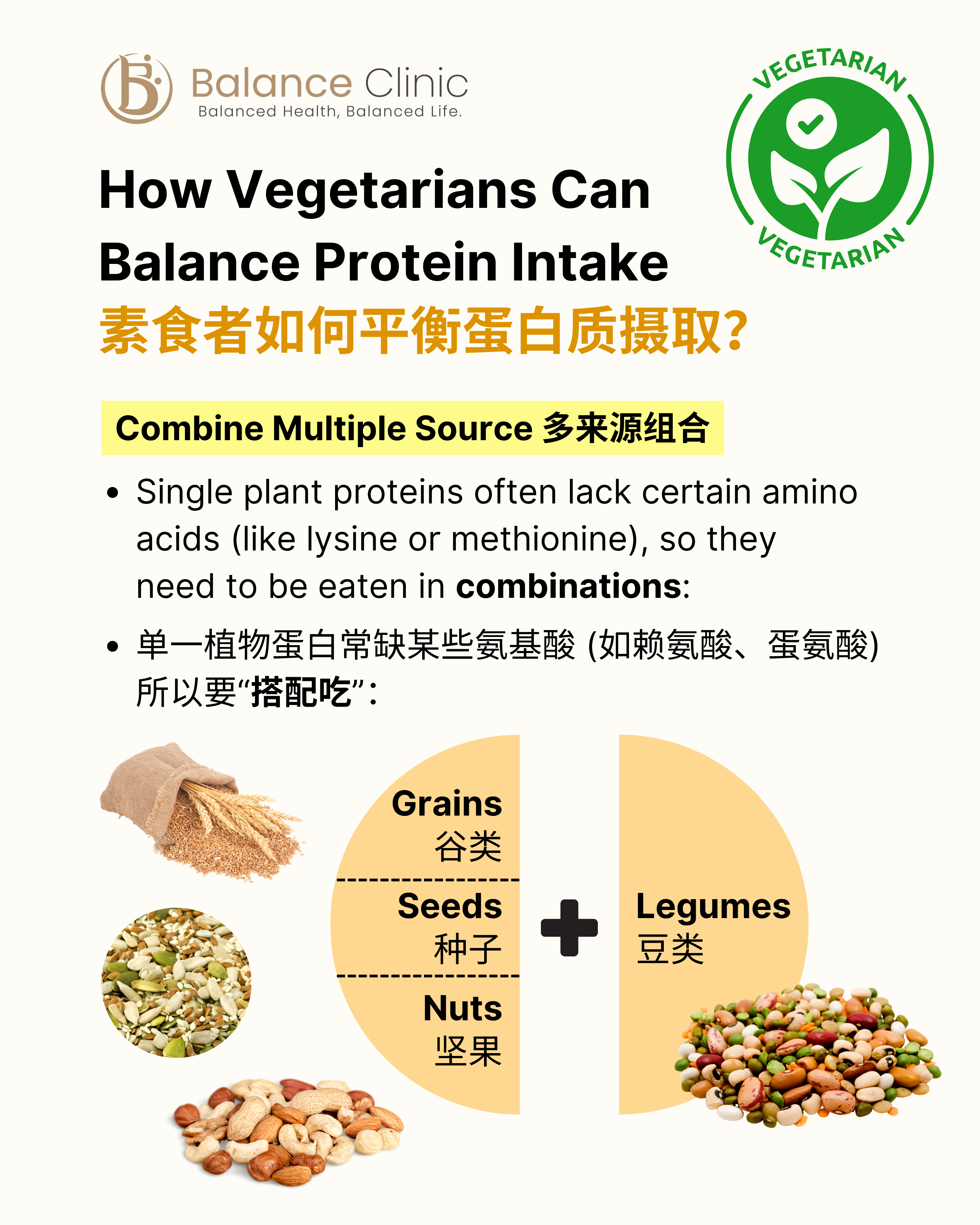
Plant proteins vary in their amino acid profiles, so eating a variety of protein sources throughout the day helps ensure adequate intake of essential amino acids.


Good vegetarian protein sources include:

  • Tofu and tempeh
  • Soy products
  • Lentils
  • Chickpeas
  • Beans
  • Nuts
  • Seeds
  • Whole grains
  • Dairy products and eggs, if included in the diet


You do not necessarily need to combine complementary plant proteins in the exact same meal. What matters most is eating a varied diet across the day.


For example:

Legumes + grains + nuts/seeds

can provide a broad range of amino acids while also supplying fibre, healthy fats and micronutrients.

The Balance Clinic Approach

At Balance Clinic, we do not look at protein intake as a single number.


We consider your body composition, muscle mass, age, activity level, diet, metabolic health, medical history and individual goals when assessing your nutritional needs.


For some people, the priority may be increasing protein to support muscle maintenance. For others, it may be improving protein quality, distributing intake more evenly throughout the day, or adjusting intake according to a medical condition.


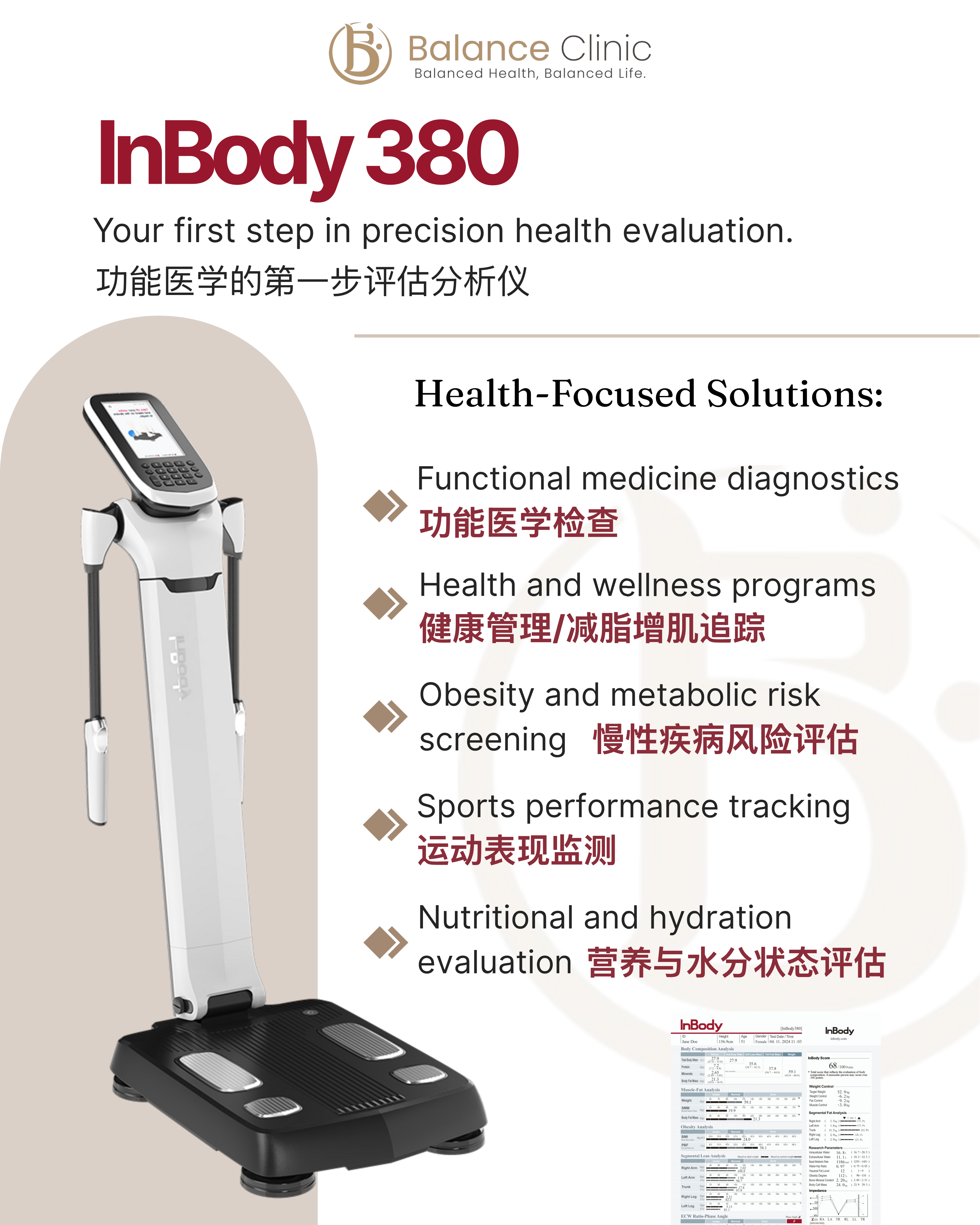
Body composition assessment and relevant laboratory testing can also help us understand whether concerns such as fatigue, muscle loss or poor recovery may be related to nutrition — or whether other factors need to be investigated.


The goal is not simply to eat more protein, but to make sure you are getting the right amount, from the right sources, for your individual needs.

Final Thoughts

Protein is not only for athletes and bodybuilders.


It is one of the body’s essential building materials, supporting everything from muscle and tissue repair to immunity, healthy ageing and everyday body function.


The key is not to consume as much protein as possible. It is to get enough quality protein as part of a balanced diet and adjust your intake according to your age, lifestyle, activity level and health needs.


Build better meals. Protect your muscle. Support your body — one protein-rich choice at a time.